Most seniors and individuals that take care of them are used to handling medication charts, medical consultations, and flexibility concerns. Yet when I ask groups of caretakers, "That below feels great dealing with a choking episode or a sudden collapse in the house?", only a few hands rise. The rest look at the floor and admit they would possibly panic.
That void between daily duty and emergency situation confidence is precisely where an express first aid course gains its keep. When every min matters, a couple of targeted hours of first aid training can transform confusion into calm action.
This overview checks out just how fast first aid courses, express CPR training, and focused first aid and CPR courses can be customized to senior citizens and caretakers, consisting of grandparents looking after kids. It makes use of what I have actually seen in actual training spaces and in genuine emergency situations, in homes that look just like yours.
Why first aid for senior citizens is different
A standard first aid course is constructed around the average adult with no major wellness problems. That does not define most individuals over 65, and it certainly does not define much of the relative that care for them.
With seniors, the emergency situations you are probably to face modification, and so do the risks of each intervention. Chest compressions on a thirty years old gym-goer and compressions on an 82 year old with brittle bones are extremely various in feeling, in risk, and in psychological weight.
When I run first aid and CPR training classes with older learners, a few themes turn up repetitively:
Caregivers worry about "doing even more harm than great" with CPR or moving someone after an autumn. Seniors typically are afraid becoming a "burden" if something fails, and that worry can make them conceal very early warning signs. Family members are often managing multiple conditions simultaneously - heart problem, diabetes, arthritis, early dementia - which transforms what a first aid feedback ought to look like.
An express first aid course that recognizes those facts helps individuals quit thinking and start showing informed confidence.
The emergencies seniors and caregivers are more than likely to see
The statistics match what I have actually heard at countless cooking area tables. One of the most usual emergency situations in older adults are generally associated with the heart, breathing, mind, blood sugar, and mobility.
Cardiac events and strokes dominate the serious end of the spectrum. A sudden collapse in the living-room, slurred speech at breakfast, or breast pain that will certainly not ease after remainder are all situations where fast, clear-headed reactions make the difference between healing and long-lasting impairment or death.
Fast CPR trainingBreathing troubles, from COPD flare-ups to choking on food, are an additional constant difficulty. Thin fluids, mixed appearances, and dentures can all raise choking danger in your home. Many individuals just think about choking in kids; in method, I have made use of abdominal drives more frequently on older adults.
Falls are the silent, slow-burning emergency situation first aid Cannon Hill in the background. Not every fall requires a rescue, yet way too many are brushed off without checking for surprise injuries or head injury. An excellent fast first aid course hangs around on how to evaluate a loss, when to relocate someone, and when to demand medical review.
Then there is blood sugar level. With many older grownups handling diabetes mellitus or pre-diabetes, caretakers routinely discover themselves presuming whether an enjoyed one is "just weary" or getting on a hypoglycaemic state. Without some targeted first aid training, that presume can go badly wrong.
Express first aid training goes to its best when it zooms in on these realistic scenarios as opposed to spreading itself thin on every feasible injury.
What makes an express first aid course "express"
When people search for a fast first aid course near me, they are normally managing job, appointments, and exhaustion. Elders might battle with long classroom days, and unsettled caretakers are already extended. A well created express first aid course values that reality without thinning down the life-saving core.
An express first aid course or express CPR course concentrates on:
Short, snugly structured sessions, usually 2 to 4 hours, with clear concerns. High-impact subjects: CPR, choking, serious bleeding, stroke, heart attack, and when to call for aid. Practical, repeated technique over lengthy lectures, making use of manikins and simple scenarios. Plain language, not clinical jargon, especially when managing mixed-age groups.
The finest express first aid training trims non-essential information while keeping the steps that really transform results in the first few mins of an emergency. It is not regarding "shortcutting" safety and security; it has to do with stripping away the clutter.
You will certainly additionally see numerous providers offering express first aid and CPR courses that mix online product with a brief in person sensible element. For seniors and caregivers, that can be suitable. You evaluate concept at your very own rate, then go to a concentrated on-site session to perform compressions, technique healing positions, and run through real-life scenarios.
Fast certification is appealing, but speed ought to never be the only aspect. A 3 hour session that leaves you anxious and unclear is not a bargain.
Core abilities every elderly and caretaker ought to learn
Over the years, I have had the exact same discussion with hundreds of households: "What should we definitely recognize, even if we do not become professionals?" The response fits surprisingly well right into a functional fast first aid course.
A solid express first aid course for elders and caregivers will certainly always cover CPR training for grownups, with emphasis on adjusting hand placement and force for older chests. Numerous additionally consist of express CPR training for infants and kids, which is vital for grandparents and part-time carers.
Choking action, consisting of back impacts and stomach thrusts, is entitled to even more technique time than numerous traditional courses provide it. In the real world, it is uncommon to do just one strategy; you typically need to cycle in between them.

Stroke acknowledgment making use of basic memory help like FAST (Face, Arms, Speech, Time) is non-negotiable. The home window for clot-busting treatment is measured in hours, not days. A caretaker who thinks twice overnight can accidentally shut that window.
Managing chest discomfort at home is another useful topic. Senior citizens with steady angina frequently downplay brand-new signs or assume "it is just the usual". Caretakers learn to differentiate patterns that are regular for that individual from signs that something much more serious is unfolding. They also discover exactly how to help with recommended drug such as nitrates without slipping into the duty of amateur doctor.
Blood sugar emergencies in diabetics, specifically identifying hypo versus active states, typically gain from scenario-based method. I once dealt with a little girl that had actually been afraid to offer her mom any kind of sugar "simply in case it made points worse". After a focused first aid training session that used her mom's real medicine checklist as a training tool, she felt great sufficient to act early rather than waiting on a rescue every time her mom seemed "vague".
Good courses additionally hang out on the more quiet yet important skills: secure relocating and positioning, making use of pillows and rolled towels to keep airways open, talking with paramedics in a clear and concise way, and managing the emotional shock of an abrupt event.
How express CPR and first aid collaborates with older bodies
The greatest mental block I see in senior citizens and their households is the concern of creating harm. I hear it practically every week: "What if I break a rib?" Or "His neck is vulnerable, I am frightened to move him."
Here is the honest answer I give up class. Yes, CPR can damage ribs, particularly in older adults with osteoporosis. That is not a failure. It is a well-known, appropriate side effect of attempting to conserve a life where the choice is fatality. Emergency doctors prefer to treat a rib crack in a living patient than meet a household who did nothing for concern of a fracture.
In express CPR courses developed for seniors, instructors should show risk-free hand positioning, deepness adjustments when proper, and exactly how to utilize your body weight without "tossing" yourself onto the breast. Learners get to feel the resistance of a manikin and adjust their strength before dealing with an actual chest.
For falls and suspected fractures, express first aid training focuses on evaluation and convenience instead of brave training. We go through:
Talking to the individual and using their own record of discomfort and mobility as your initial overview. Checking for visible defects, swelling, or bleeding. Sustaining the hurt area with rolled towels or blankets. Making use of breathing and conversation to keep anxiety down while you choose following steps.
The objective is not to transform caregivers into paramedics. The objective is to aid them make great decisions about when to wait on support, when to call a rescue urgently, and when it is safe to assist a person stand with support.
Express childcare first aid for grandparents and older carers
More and even more grandparents give routine child care. Lots of are active and capable, but they commonly discovered their initial first aid decades ago. Standards alter. The CPR you discovered in 1995 is not the CPR used in existing first aid and cpr courses.
That is where express childcare first aid courses make their area. In half a day or much less, they redouble on the emergency situations that reasonably happen with infants and children when a grandparent is in charge: choking on tiny food items, allergic reactions at institution pick-up, burns from warm drinks, and drops from playground equipment.
An express child care first aid course or express childcare first aid training session generally tightens its material to:
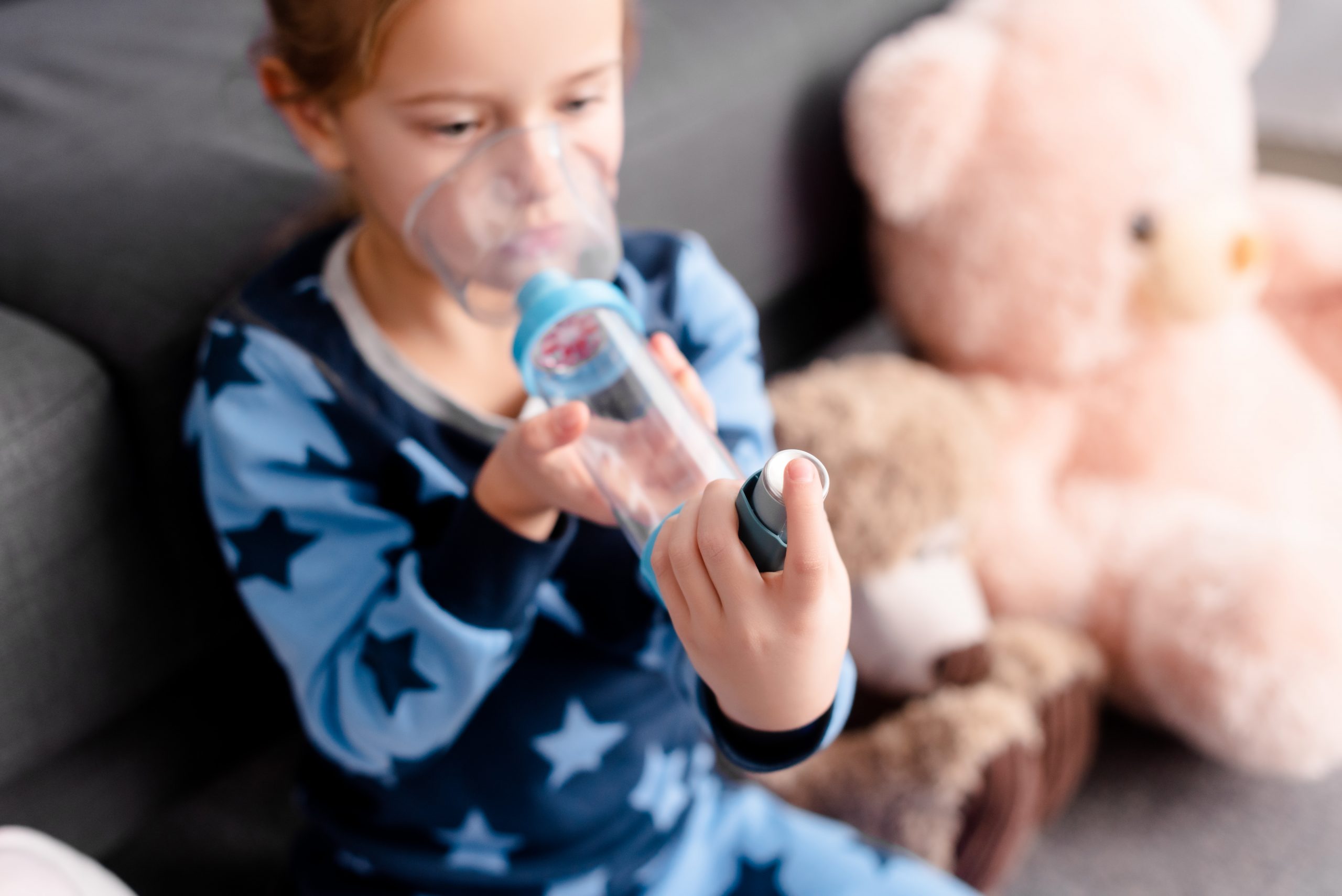
Child and baby CPR, with plenty of repetition. Choking monitoring for babies and kids, consisting of exactly how to utilize gravity and your very own leg or lap as support. Identifying significant breathing issues such as bronchial asthma strikes. Managing head bumps without stressing concerning every bruise.
I bear in mind one grandfather in his very early seventies that came to an express childcare first aid course noticeably embarrassed. He had actually elevated 3 kids of his own, and he really felt ridiculous "going back to school". Halfway with baby CPR technique he looked up and claimed, "I had no idea the compression depth was this various for children now. I have been out of date for twenty years."

By completion, he firmly insisted that his adult youngsters also go to a fast CPR refresher course. When whole families commit to the very same current method, children and seniors both benefit.
Choosing the ideal fast first aid or express CPR course
People commonly really feel overwhelmed by the variety of first aid courses and cpr courses on offer. Some want the quickest possible express first aid course to satisfy a work environment checklist. Others require a much deeper, extra customised first aid training experience yet do not understand just how to ask for it.
When the emphasis is seniors and caretakers, a few selection criteria continually matter greater than price or brand.
A short list can help:
Confirm that the carrier offers certain content on older grownups, chronic ailment, or home caregiving, not just generic office accidents. Ask whether the express first aid training includes practical CPR training on manikins and repeated method of choking techniques, not just presentation. Check the length of time the first aid certificate will remain legitimate and whether they run fast cpr refresher course alternatives, specifically if movement concerns make travel hard. Look for trainers with professional or real-world emergency histories, who can speak with border cases such as pacemakers, frailty, or dementia-related behaviors. Make sure course dimension is little enough that senior citizens get hands-on training, not just a seat at the back.If your search history currently includes phrases like fast first aid course near me or express cpr courses, put in the time to call a couple of carriers and explain your precise scenario. A reliable fitness instructor will tell you truthfully whether their express first aid courses suit your needs or whether you would certainly be much better with a slightly longer format.
Avoid any provider that seems much more thinking about pushing you via for a "fast certification" than in ensuring you recognize what you are doing.
What an express first aid training session feels like
Many elders get to their first fast first aid training with two particular anxiousness: "I am also old to discover this" and "I am going to hold the course back."
An excellent fitness instructor heads that off rapidly. We start with straightforward, low-stress skills: just how to examine responsiveness, how to scream for assistance, just how to roll someone into the healing setting securely. Once people have actually moved a manikin a couple of times and really felt the movement in their own bodies, they unwind sufficient to take on CPR and choking drills.
An express first aid and cpr course usually mixes brief bursts of description with cycles of practice. For instance, you might spend ten mins assessing the actions of grown-up CPR, after that revolve through doing those action in pairs, with the instructor dealing with hand placement and compression rhythm.
The speed is brisk however not rushed. The emphasis remains on high-yield abilities as opposed to lengthy discussion of unusual injuries. Elders who tire quickly are motivated to take short rests between drills, without feeling like they are failing the course. We take notice of chair elevation, illumination, and noise because these useful details matter more than most people think.
In mixed-generation classes, it prevails to see a caretaker child supporting a parent throughout positioning technique or reading out the actions from a punctual card while the older individual performs the actions. That type of team effort mirrors what will certainly occur in your home in genuine emergencies.
By the end of an express first aid course, most seniors are pleasantly surprised by just how much their bodies keep in mind, also if their minds still really feel unsure. That muscle mass memory is precisely what you want to build.
Keeping skills fresh: fast CPR refresher and ongoing practice
First help resembles a foreign language. If you do not utilize it, you shed it. Research study and experience both suggest that CPR high quality drops significantly within 6 to one year without method. For seniors, that matters much more, due to the fact that physical toughness and adaptability can change over that very same period.
A fast cpr correspondence course, ideally annually, helps alter your strategy. You can examine whether you are still pushing deep sufficient on the breast, whether you can still take care of a full 2 minutes of compressions, and what adaptations could assist if joint inflammation or shoulder discomfort has progressed.
Short, focused first aid and cpr training classes can likewise deal with brand-new realities. Perhaps an enjoyed one has actually lately been diagnosed with heart failure, or a grandchild has established a serious allergic reaction, or a spouse has actually begun on blood slimmers. Each change brings brand-new first aid implications. An excellent instructor can stroll you via them utilizing your real circumstances, not just book examples.
Between official courses, I commonly recommend that households maintain an easy routine at home. As soon as every couple of months, rest together and chat with one "what happens if" situation, such as "What happens if Grandpa broke down in the garden?" Or "What happens if our toddler choked on a grape at lunch?" Have each person claim aloud what they would do first, 2nd, and 3rd. It takes five minutes however keeps the pathways in your mind warmed up up.
Cards or fridge charts summing up CPR actions, stroke signs, and emergency numbers are also worth their king's ransom when adrenaline is high.
When first aid fulfills reality: 3 quick stories
Theory is clean. Actual houses are not. They have rugs to trip on, televisions blasting in the background, and family members characteristics that can aid or impede a response.
I when worked with a pair in their late seventies. The spouse experienced a heart attack in the hallway while trying to find his shoes. His spouse, that had done a fast first aid course at their community centre 6 months previously, acknowledged that he was not breathing normally. She started chest compressions while shouting to a neighbour to call an ambulance. Paramedics later informed her that those very first couple of minutes of incomplete but consistent compressions were the factor they had something to deal with when they arrived.
In one more instance, a child taking care of her diabetic person mother saw slurred speech and face droop during morning tea. Before her first aid training, she would have presumed "reduced sugar" and offered juice. After an express first aid and cpr course that pierced stroke signs, she called emergency solutions right away. Health center staff validated a stroke and had the ability to deal with within the crucial window. The mom left of medical facility with only small weakness.
A final story involves a grandpa at a park with his 3 year old grand son. The kid began to choke on an item of sausage. Since the grandfather had actually recently completed an express child care first aid course, his reaction was almost automatic: he positioned the child leaning forward, provided firm back blows, and removed the obstruction. By the time other adults discovered something was incorrect, the threat had passed. Later on, he admitted that prior to that training he would certainly have tried to "fish around" in the youngster's mouth, which can press objects deeper.
None of these individuals thought of themselves as heroes. They merely had sufficient first aid training, refreshed adequate times, to link the space till specialists arrived.
Bringing express first aid right into your household's routine
The actual step of success for any kind of fast first aid course or express cpr training is not the card in your wallet, yet the calm you bring to your following crisis.
For seniors and caretakers, that tranquility does not originate from memorising every protocol. It originates from knowing a handful of high-impact activities and having actually practiced them on a timetable that respects your energy and your life.
If you are a senior, a caretaker, or a grandparent, take into consideration making express first aid courses component of your routine health routine, together with check-ups and drug evaluations. Search for carriers who treat your lived experience as an asset, not a barrier, and that are comfortable adapting first aid teaching to joint inflammation, hearing problems, or mobility limits.
The mix of a focused express first aid course, periodic fast cpr refresher course sessions, and straightforward discussion within your household can transform the method you face emergency situations in your home. You can not predict when the following situation will strike. You can pick just how prepared you will certainly be when it does.